Understanding the Environmental Benefits of Aluminum Factory Techniques
Light weight aluminum shop techniques play a necessary duty ahead of time sustainability within the production field. By carrying out innovative reusing methods and energy-efficient methods, these strategies substantially minimize waste and carbon footprints. Innovative casting methods additionally improve resource preservation initiatives. As markets significantly focus on ecological responsibility, recognizing the complete influence of these methods becomes important. What particular innovations are leading the means in this improvement?
The Role of Light Weight Aluminum in Sustainable Manufacturing
Although several materials add to sustainable production, aluminum stands out as a result of its one-of-a-kind residential or commercial properties and recyclability. This light-weight steel is not just long lasting yet also possesses superb corrosion resistance, making it a perfect selection for different applications, from vehicle to building. Its high strength-to-weight proportion causes power savings throughout transportation and usage. Light weight aluminum can be reused indefinitely without shedding its inherent top qualities, promoting a circular economic situation.
The manufacturing process of aluminum has actually developed, incorporating energy-efficient techniques that decrease carbon footprints. By using renewable energy resources, suppliers are progressively reducing the ecological influence connected with light weight aluminum manufacturing. Additionally, using recycled light weight aluminum needs substantially less energy contrasted to drawing out and refining main aluminum, leading to reduced greenhouse gas discharges. As sectors seek lasting services, light weight aluminum's convenience and green features position it as a pivotal material in the search of greener manufacturing methods.
Advanced Recycling Techniques in Light Weight Aluminum Foundries
Advanced recycling techniques in light weight aluminum factories are changing the means scrap light weight aluminum is processed and reused. Cutting-edge methods, such as closed-loop recycling systems, enable shops to redeem light weight aluminum from production waste and outdated items efficiently. These systems minimize worldly loss and boost the top quality of recycled light weight aluminum, making it a feasible choice to primary light weight aluminum production.
In addition, progressed sorting modern technologies, consisting of automated optical sorting and X-ray fluorescence, improve the separation of light weight aluminum from other materials, ensuring greater purity levels in recycled outcomes. This accuracy decreases contamination, which can jeopardize the integrity of the last product.
In addition, the assimilation of sophisticated melting modern technologies, such as induction melting and energy-efficient furnaces, improves the reusing process, decreasing power intake. Jointly, these advancements add to an extra lasting light weight aluminum sector by reducing reliance on virgin materials and lowering greenhouse gas discharges connected with aluminum manufacturing.
Energy Efficiency Improvements in Shop Procedures
Power effectiveness enhancements in aluminum factory operations can significantly enhance sustainability techniques. Applying waste warmth recovery systems enables foundries to repurpose excess power, minimizing total power consumption. Furthermore, advancements in process automation improve operations, causing decreased waste and maximized source usage.
Waste Warmth Recuperation
Carrying out waste heat recovery systems in aluminum factories significantly improves energy efficiency by recording and reusing excess thermal energy produced throughout production procedures. These systems assist in the conversion of lost heat right into useful energy, which can be used for various applications within the foundry, such as pre-heating materials or powering equipment. By recovering warmth that would or else be removed right into the setting, shops can markedly reduce their overall power consumption and greenhouse gas discharges. This technique not just reduces operational prices however also promotes lasting techniques within the market. Furthermore, the fostering of waste heat recuperation modern technologies aligns with regulative criteria aimed at minimizing ecological influence, making it a necessary component of modern-day light weight aluminum shop operations.
Refine Automation Benefits
Automating processes in aluminum foundries can greatly improve power performance by optimizing manufacturing process and lowering waste. By executing innovative technologies such as robotics and machine understanding, shops can enhance operations, lessening unnecessary energy intake. Automated systems facilitate specific control over temperature level and material handling, making certain that energy is utilized just when required. Additionally, real-time tracking permits for immediate adjustments, decreasing the threat of energy loss. The assimilation of automation not only boosts performance but likewise reduces operational prices, making shops a lot more affordable. Therefore, these energy-efficient practices add considerably to sustainability goals, decreasing the environmental impact of light weight aluminum production while meeting increasing market demands - Precision aluminum casting. Boosted energy efficiency through automation represents an essential action towards greener shop operations
Reducing Waste Through Innovative Casting Approaches
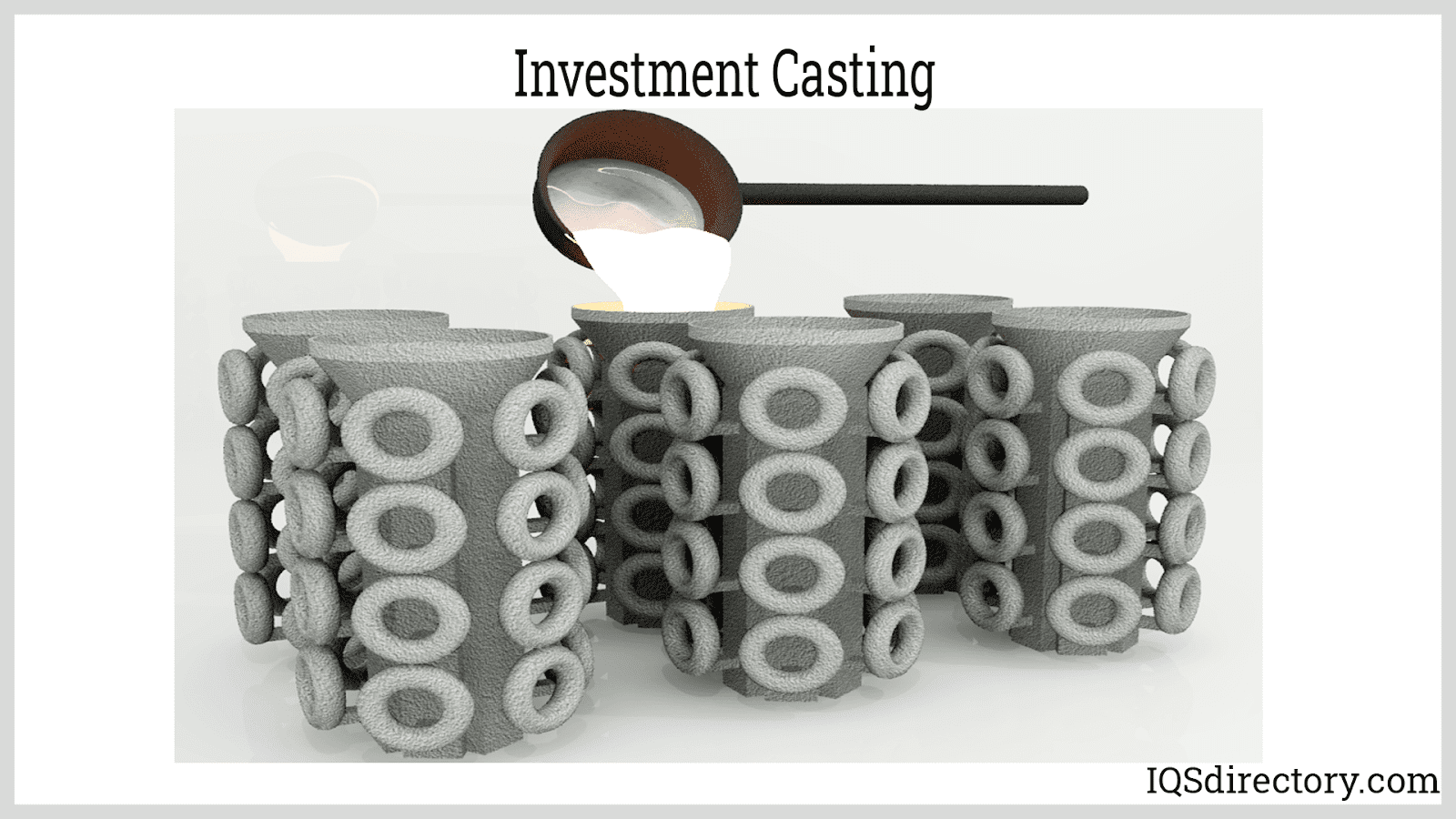
Cutting-edge spreading approaches play a vital duty in minimizing waste in light weight aluminum factories. Techniques such as innovative molding and the utilization of recyclable materials significantly reduce production scrap. These practices not only boost performance but additionally contribute to a much more sustainable production process.
Advanced Molding Techniques
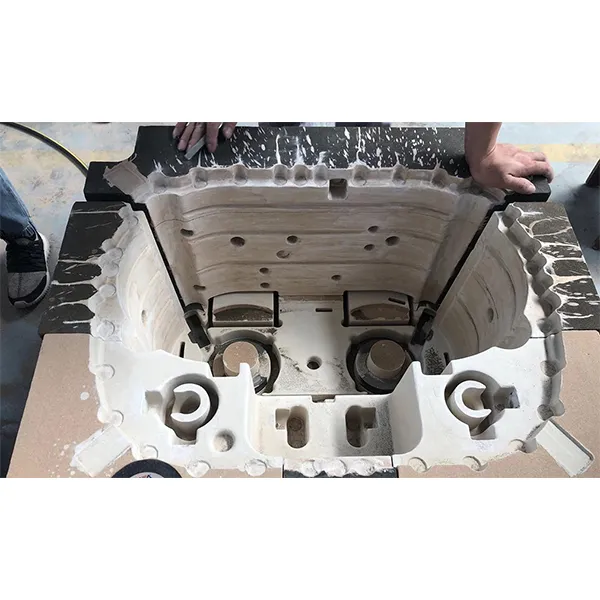
As markets significantly prioritize sustainability, advanced molding strategies in aluminum shops emerge as reliable solutions for reducing waste. These cutting-edge approaches, such as 3D printing and precision mold and mildew making, considerably boost the performance of the spreading process. By using computer-aided style (CAD) and simulation modern technologies, producers can optimize mold and mildew geometry, lessening product usage while preserving product honesty. In addition, advanced methods allow the manufacturing of complex shapes that conventional techniques can not attain, decreasing the requirement for extra machining and therefore decreasing scrap product. The flexibility of these strategies enables rapid prototyping, additional lowering lead times and power intake. In general, the implementation of advanced molding strategies stands for an important action toward eco liable light weight aluminum manufacturing, lining up with worldwide sustainability goals.
Recyclable Product Usage
Recyclable products play an essential duty in lowering waste within light weight aluminum shops, transforming the casting landscape through their reliable usage. By integrating scrap aluminum and other recyclable parts into the manufacturing procedure, shops can substantially decrease the demand for virgin products. This not just conserves natural deposits however likewise lessens power intake connected with mining and refining. Innovative spreading approaches, such as die spreading and sand spreading, enable smooth integration of these products, making sure top quality results. Additionally, making use of recyclable products promotes a circular economic climate, where sources are continually reused and repurposed, lowering landfill contributions. Inevitably, the tactical use recyclables improves sustainability while advertising cost-effectiveness in aluminum factory procedures.
Reducing Manufacturing Scrap
Life Process Analysis of Light Weight Aluminum Products
Although aluminum is commonly acknowledged for its lightweight and resilient buildings, a thorough Life process Assessment (LCA) reveals the environmental effects related to its disposal, production, and usage. The LCA procedure examines the power intake, greenhouse gas emissions, and source deficiency linked to aluminum items from extraction of bauxite ore to end-of-life management. Primary aluminum production is energy-intensive, typically counting on nonrenewable fuel sources, which contributes significantly to carbon impacts. In comparison, recycling light weight aluminum offers substantial environmental benefits, as it makes use of just a fraction pop over to this site of the power required for main production. The reusing process lowers land fill waste and preserves natural resources. The LCA likewise thinks about the item's durability and capacity for reuse, stressing the importance of lasting style. On the whole, recognizing the life process effects of aluminum items is vital for making informed choices that click here now prioritize ecological sustainability within the sector.
Case Researches: Effective Sustainable Practices in the Market
The light weight aluminum market has begun to welcome ingenious lasting methods that deal with the ecological obstacles determined in Life process Evaluations. One noteworthy instance is a leading factory that carried out a closed-loop recycling system, considerably lowering waste and energy usage. By recycling scrap aluminum in production, the center achieved a 40% reduction in its carbon impact.
One more instance includes a maker that took on renewable resource resources, powering its operations with solar and wind power - Aluminum Foundry. This change not only lowered greenhouse gas discharges however likewise improved the company's reputation among ecologically aware consumers
Additionally, a 3rd shop has bought advanced spreading strategies, which maximize material usage and lessen problems, better decreasing source consumption. These study show that the light weight aluminum sector can integrating lasting practices, showing both ecological duty and economic stability, eventually contributing to a more lasting future.
Often Asked Concerns
How Does Light weight aluminum Contrast to Various Other Steels in Sustainability?
Light weight aluminum is generally thought about extra lasting than lots of steels due to its recyclability, reduced power demands for manufacturing, and lowered environmental effect. Its lifecycle effectiveness exceeds that of steel and copper in different applications.
What Is the Carbon Footprint of Light Weight Aluminum Foundry Processes?
The carbon impact of aluminum shop procedures differs, normally varying from 4 to 15 metric lots of carbon dioxide per lot of light weight aluminum created. Factors influencing this consist of energy sources, innovation, and the performance of operations.
Exist Wellness Dangers Related To Aluminum Shop Operations?
What Are the Expenses Related To Lasting Aluminum Techniques?
The expenses related to sustainable light weight aluminum methods include higher preliminary financial investments in innovation, potential increases in functional costs, and recurring maintenance. These are frequently offset by long-term financial savings and lowered ecological impact.
Just How Does Light Weight Aluminum Recycling Influence Local Communities?
Light weight aluminum reusing favorably impacts regional neighborhoods by creating tasks, reducing garbage dump waste, and lowering energy prices. It cultivates financial growth and advertises environmental stewardship, bring about much healthier living problems and boosted neighborhood interaction in sustainability campaigns.
Furthermore, the use of recycled aluminum calls for substantially much less energy contrasted to extracting and refining primary aluminum, leading to lower greenhouse gas discharges. Advanced recycling techniques in light weight aluminum foundries are transforming the way scrap light weight aluminum is processed and reused. Aluminum Foundry. Carrying out waste heat healing systems in light weight aluminum factories substantially boosts energy efficiency by recording and reusing excess thermal energy created throughout manufacturing procedures. Clicking Here Automating processes in light weight aluminum foundries can substantially improve power performance by optimizing manufacturing operations and decreasing waste. The carbon impact of aluminum factory processes varies, typically ranging from 4 to 15 metric tons of Carbon dioxide per bunch of light weight aluminum produced
Comments on “Why many industries trust Precision aluminum casting for reliable components”